

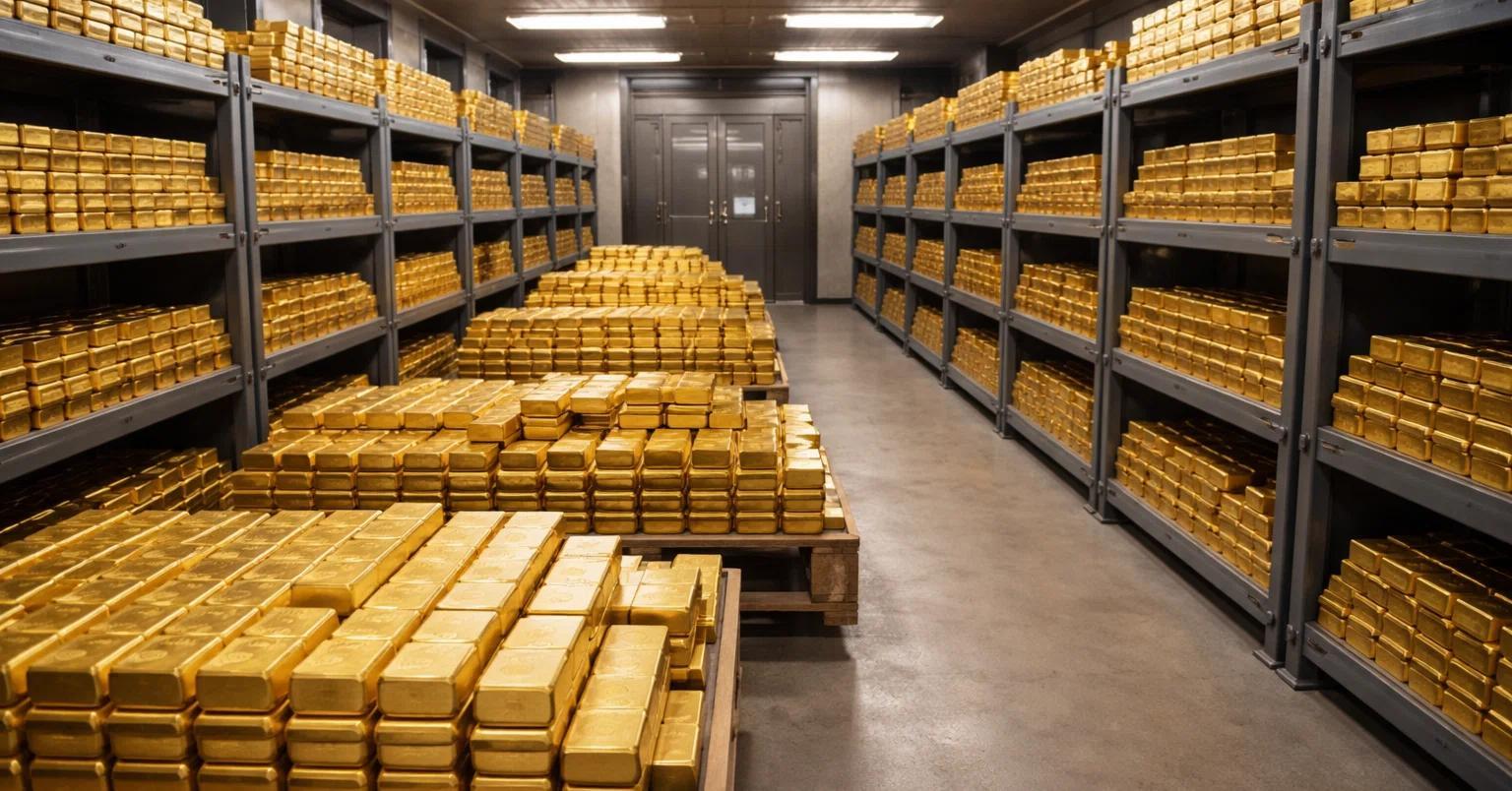
In recent years, a clear trend has emerged across the global financial landscape: central banks are aggressively accumulating gold, and now, everyday citizens are beginning to follow the same path.
This shift is not random. It reflects deeper concerns about economic stability, inflation, and trust in traditional financial systems.
Central banks around the world have been increasing their gold reserves at record levels. Countries like China, India, and Russia have significantly boosted their holdings in recent years.
Here’s why:
1. Protection Against Inflation
Gold has historically been a hedge against inflation. As currencies lose purchasing power, gold tends to retain its value.
2. Reducing Dependence on the U.S. Dollar
Many nations are diversifying away from dollar-based reserves. Gold provides a neutral, globally accepted asset.
3. Economic Uncertainty
From geopolitical tensions to banking instability, gold acts as a “safe haven” during uncertain times.
Why Citizens Are Now Following the Trend

It’s not just governments anymore. Individuals are increasingly investing in gold—and for good reason.
1. Fear of Currency Devaluation
Rising inflation and money printing have made people question the long-term value of fiat currencies.
2. Desire for Financial Security
Gold offers a sense of control. Unlike digital assets or bank deposits, physical gold is tangible and independent.
3. Banking System Concerns
Recent financial crises and bank failures have led many to seek assets outside the traditional banking system.
A Global Shift in Trust
This parallel movement—central banks and citizens both buying gold—signals something bigger:
👉 A shift in trust from paper assets to tangible stores of value.
Historically, gold has played a key role in monetary systems. While we no longer operate on a gold standard, its importance has never fully disappeared.
What This Means for Investors
6
If both governments and individuals are increasing their gold holdings, it may indicate long-term confidence in gold’s role.
Here’s what investors should consider:
- Diversification: Gold can balance risk in a portfolio
- Wealth Preservation: It protects against economic downturns
- Long-Term Stability: Unlike volatile assets, gold has a long history of value
Risks to Keep in Mind
While gold is often seen as safe, it’s not without drawbacks:
- It doesn’t generate income like stocks or dividends
- Prices can fluctuate in the short term
- Storage and security can be concerns
Final Thoughts
The growing demand for gold—from both central banks and everyday citizens—highlights a changing financial mindset.
People are no longer relying solely on traditional systems. Instead, they are turning toward assets that offer stability, independence, and long-term value.
Whether this trend continues or accelerates, one thing is clear:
Gold is once again becoming a central pillar in the global financial conversation.
